
Digital twins of engineering systems from aircraft to the near-earth orbital space environment
Cross-
Cutting
Research Area
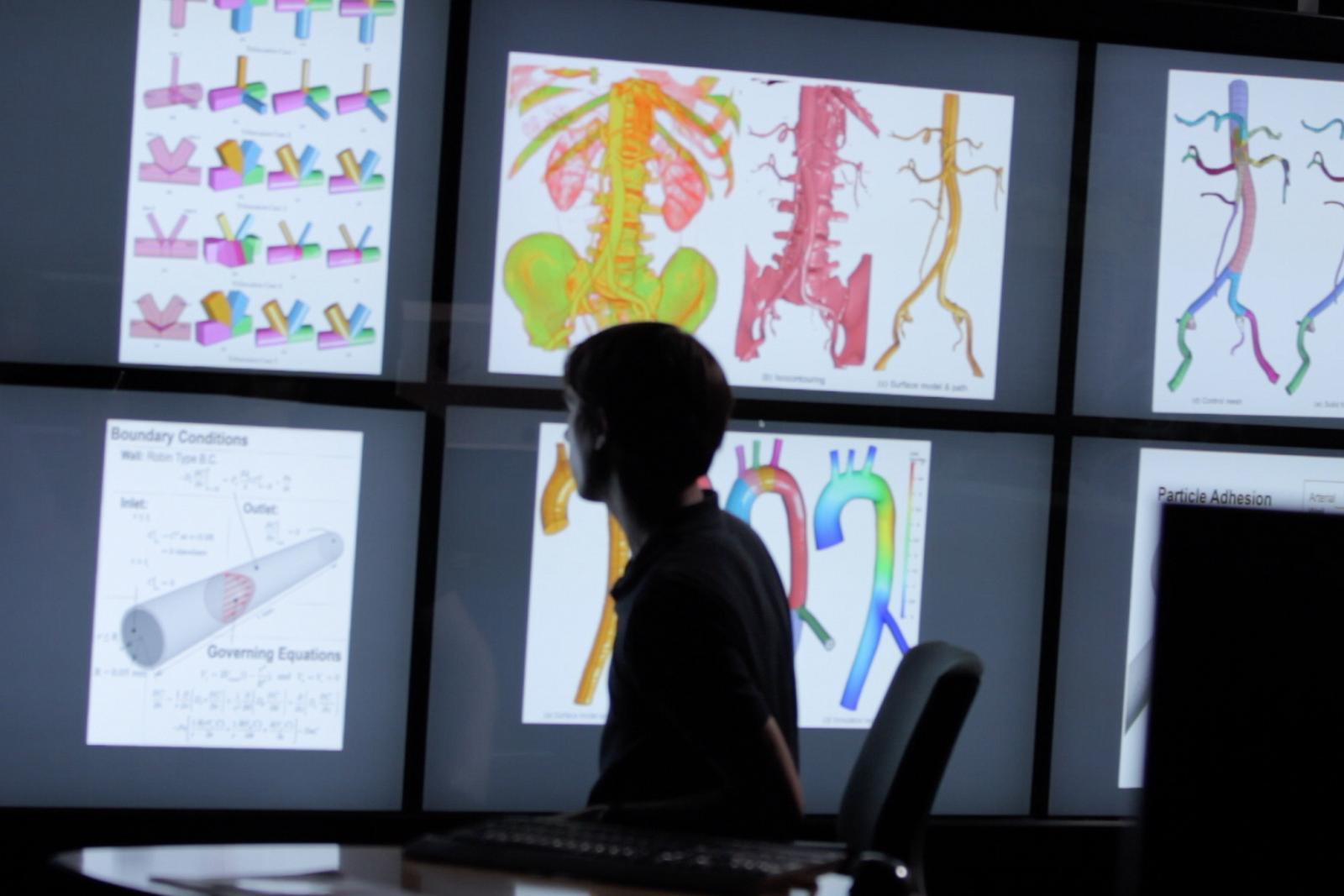
Tackling grand challenge societal problems through modeling, simulation and engineering problem-solving
Credit: from the Cockrell School of Engineering
Research is multifaceted, ranging from foundational advances in theory, methods and algorithms, to real-world impact in societal grand challenge problems.
Digital twins of engineering systems from aircraft to the near-earth orbital space environment

Spectral wave modeling: The interactions between winds, the sea floor, circulation, and waves transfer significant amounts of energy that impacts both magnitude and timing of storm surge. The modeling of these complex interactions and phenomena is challenging as the physics of waves in space and time are accompanied by spectral effects.

Compound Flooding Model Development
Oden Institute faculty members have been centrally involved in the design and offering of UT Austin’s Bachelor of Science in Computational Engineering degree, offered by the Department of Aerospace Engineering and Engineering Mechanics.
The ADvanced CIRculation modeling framework (ADCIRC) is a research partnership into coastal ocean storm surge modeling developed through collaboration between Dr. Clint Dawson at the Computational Hydraulics Group (CHG) and the University of Notre Dame, the University of North Carolina Chapel Hill, Carolina State University, the University of Oklahoma, and UT’s Center for Space Research. Other ADCIRC partners include US Army Corps of Engineers, NOAA, The Water Institute and the Texas Division of Emergency Management.
AEOLUS: Advances in Experimental Design, Optimization and Learning for Uncertain Complex Systems is a U.S. Department of Energy Mathematical Multifaceted Integrated Capabilities Center (MMICC) led by the Oden Institute and also involving researchers from Brookhaven National Laboratory, Massachusetts Institute of Technology, Oak Ridge National Laboratory and Texas A&M University.
The Oden Institute Center for Predictive Engineering and Computational Science is leading the development of high-fidelity simulations of inductively coupled plasma (ICP) torches as part of the Department of Energy’s National Nuclear Security Administration Predictive Science Academic Alliance Program.
To learn more about projects and people in Computational Engineering, explore the centers and groups with research activities in this cross-cutting research area.
Computational Hydraulics Group
Electromagnetics and Acoustics Group
Center for Subsurface Modeling
Predictive Engineering and Computational Sciences
Jah Decision Intelligence Group
Probabilistic and High Order Inference, Computation, Estimation, and Simulation
Profile
Sept. 2, 2026
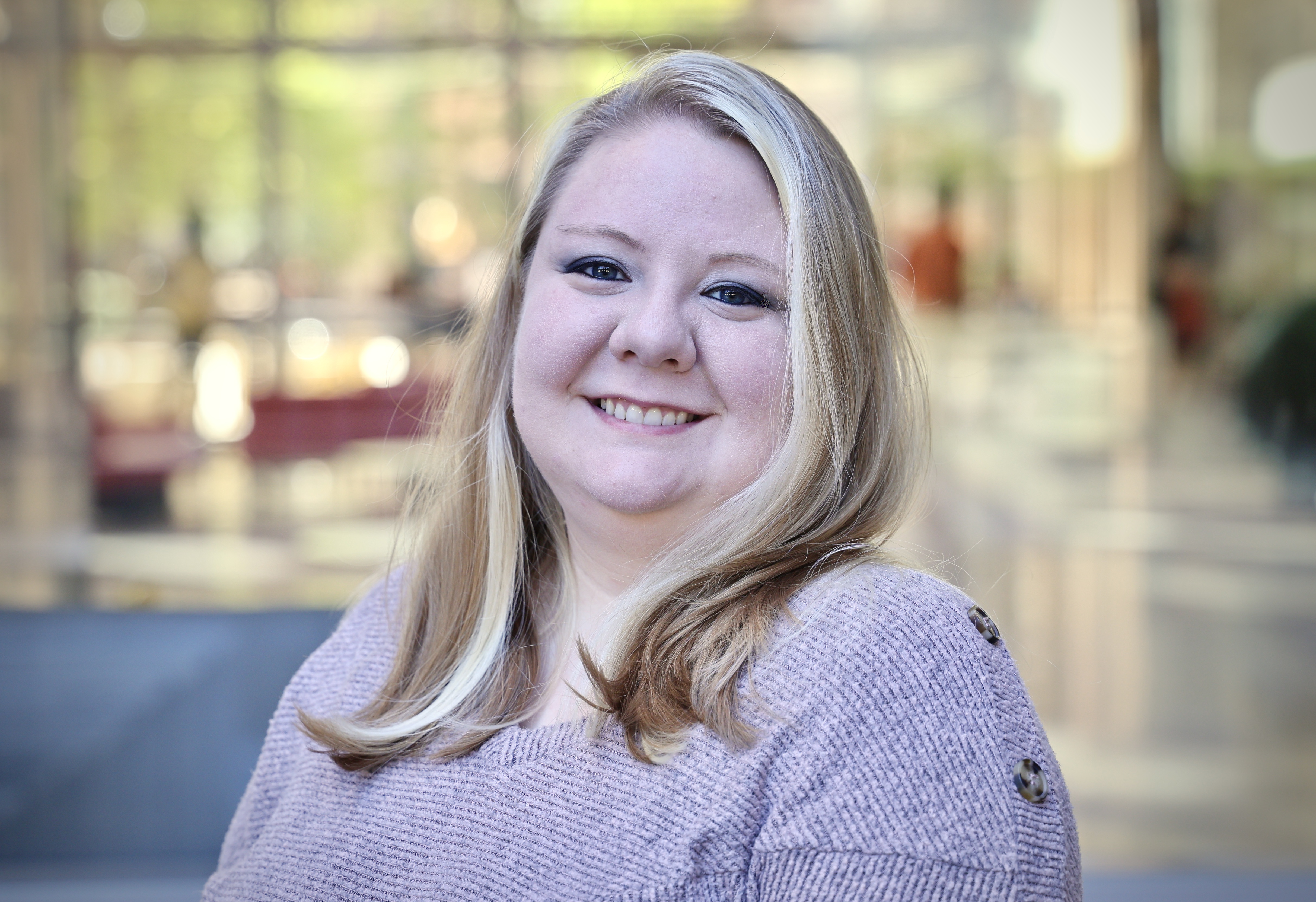
Katheryn’s career from 911 dispatch to research administration developed her skills in multitasking, prioritization, and decision-making under pressure. At the Oden Institute, she manages grants, budgets, schedules, and approvals to keep faculty research running smoothly.
News
May 14, 2026
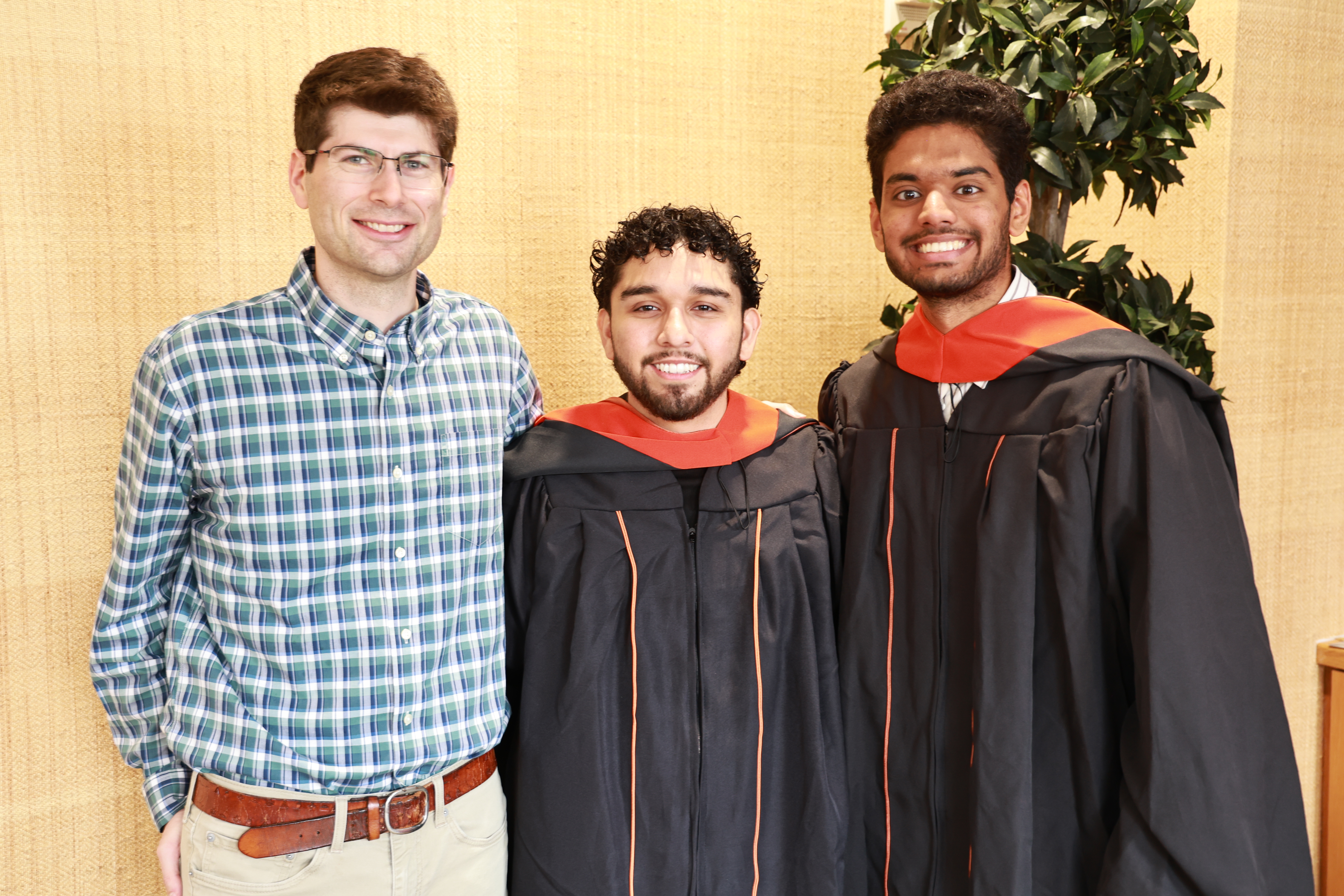
Antonio Jimenez and Atharva Kalamkar, the first graduates of the new 5-year Integrated Computational Engineering BS/MS program, are already making an impact beyond UT with a project that grew out of their coursework.
News
May 13, 2026
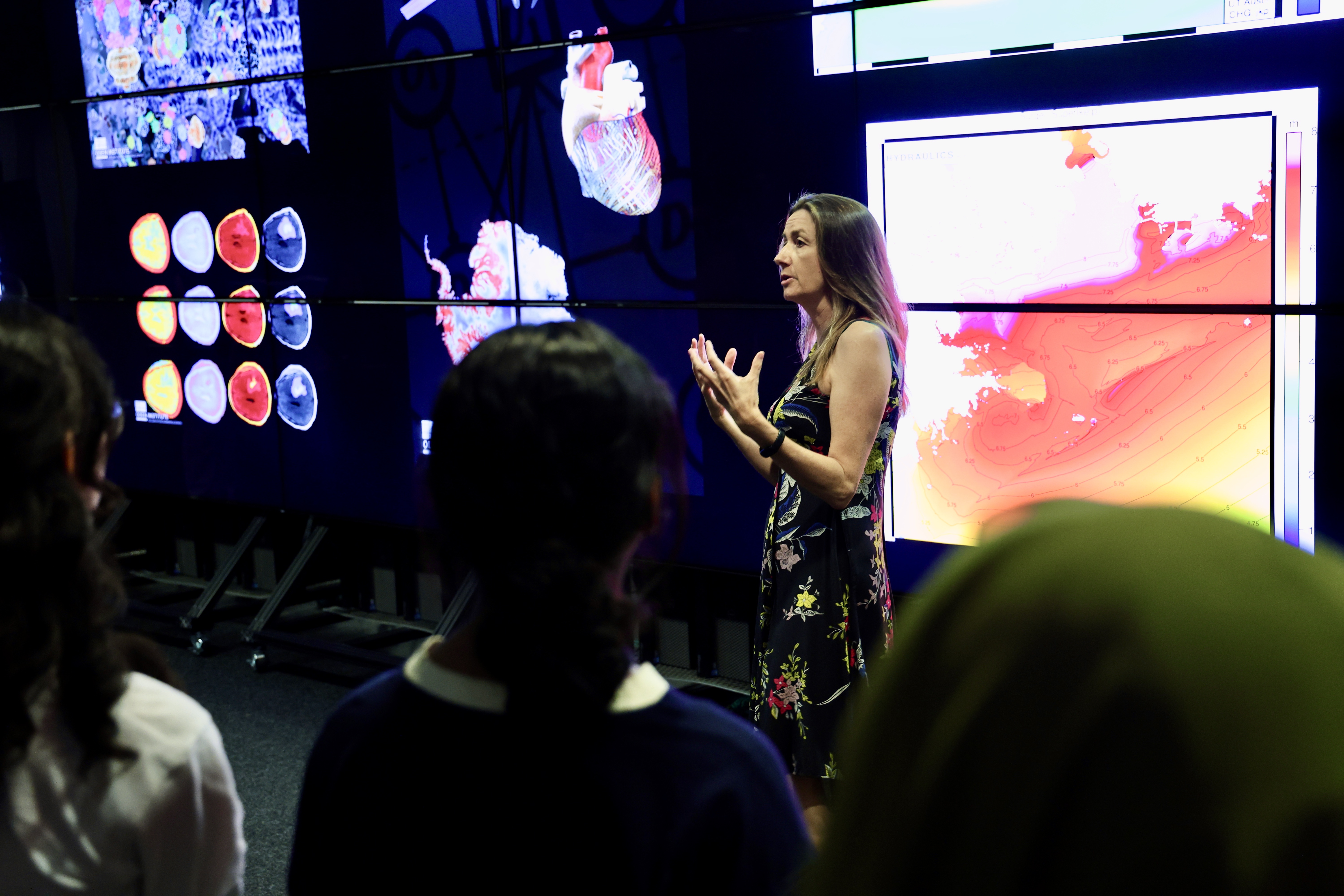
Students from the Liberal Arts and Science Academy got a front row seat to current research on topics including cancer, the cosmos, digital twins, robotics, and ocean systems during a field trip to the Oden Institute.

