Cross-
Cutting
Research Area
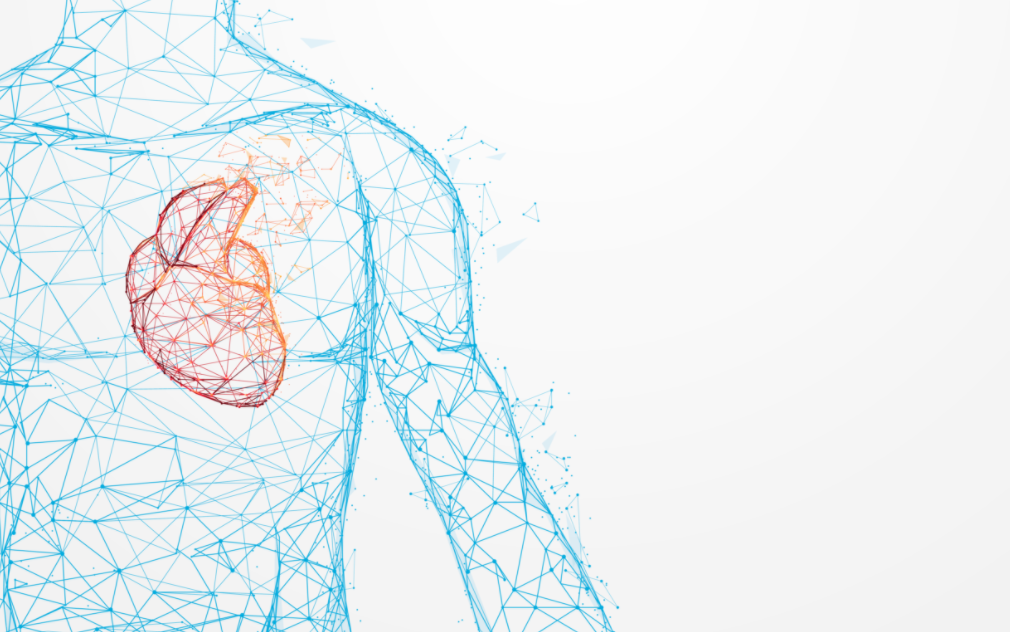
Modeling the Individuality of Health and Disease for More Accurate Decision Making
A Patient-Centric Approach - Providing Diagnosis and Treatment Tailored to Each Individual
An Overview: Computational Medicine
What is Computational Medicine?
Computational Medicine uses advanced mathematical and simulation approaches to model the human body in a spectrum ranging from the molecule to the organ to the entire body and ultimately, to the health care system. To accurately represent such complex systems, the models need to capture the individuality of health and disease for accurate decision making at all levels. Ranging from the patient to the policy, these require state-of-the-art computational capabilities to make them a reality. The models can be theory–, knowledge–, or data–driven, or any combination of the three.
Current research areas
Research is multifaceted, ranging from foundational advances in theory, methods and algorithms, to real-world impact in societal grand challenge problems.

Medical imaging

Molecular biophysics

Cardiovascular Science

Neuroscience

Oncology

Genomic dataset analysis
Computational Medicine Portfolio
Portfolio programs promote cross-disciplinary scholarship and study by bringing together faculty and students from a variety of disciplines whose interests transcend the boundaries of traditional academic departments. The Computational Medicine Portfolio will provide an opportunity for UT Austin graduate students to pursue a program of study that will prepare them to interact and collaborate with members of the medical community on interdisciplinary, cutting-edge research.
Working with partners
The University of Texas MD Anderson Cancer Center, Oden Institute’s Center for Computational Oncology, led by Dr. Tom Yankeelov, and TACC are working together to find new cancer treatments through integrating oncological data with mechanism-based modeling techniques. MD Anderson is one of the world's largest and most respected centers devoted exclusively to cancer patient care, research, education and prevention. Read more about our collaborations.
The Willerson Center for Cardiovascular Modeling and Simulation, led by Dr. Michael Sacks, at Oden Institute has been a long-standing partner of the Texas Heart institute (THI). The THI is recognized internationally for research programs in cardiology, cardiovascular surgery, regenerative medicine and pathology. The partnership with the Oden Institute is underpinned by research to advance computational modeling of the cardiovascular system with a view to providing tailored care for each individual patient suffering from heart disease — the number one cause of death worldwide.
Centers and Groups
To learn more about projects and people in Computational Medicine, explore the centers and groups with research activities in this cross-cutting research area.
Center for Computational Oncology
Willerson Center for Cardiovascular Modeling and Simulation
News in brief
Media Coverage
Sept. 30, 2026
TAMEST Profile: Charles “Charley” Taylor, Ph.D. (NAE), The University of Texas at Austin
Professor Charles Taylor, featured in the recent TAMEST Newsletter, is the Medicine Co-Chair for the upcoming 2027 Annual Conference: Frontiers of Discovery, taking place February 1–3, 2027, in Houston, Texas, hosted by TAMEST.
News
Sept. 27, 2026
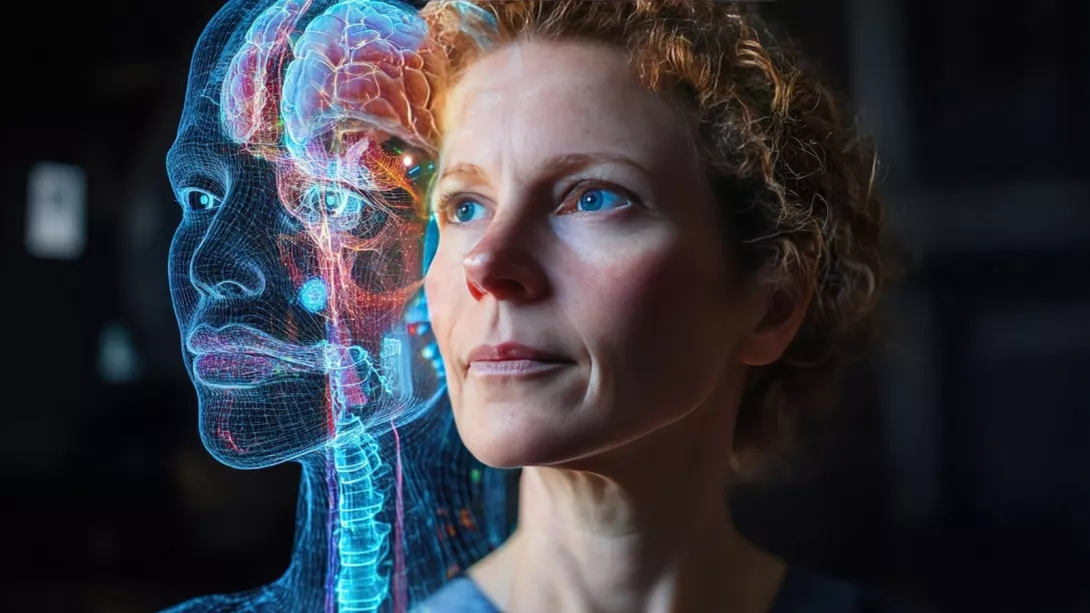
Pioneering the Future of Heart Health
UT Austin's Pediatric to Adult Cardio AI Conference: Digital Twins in December will bring together computational engineers, computer scientists, clinicians, and industry leaders to advance AI and digital twin technologies in cardiovascular care.
Media Coverage
Sept. 18, 2026
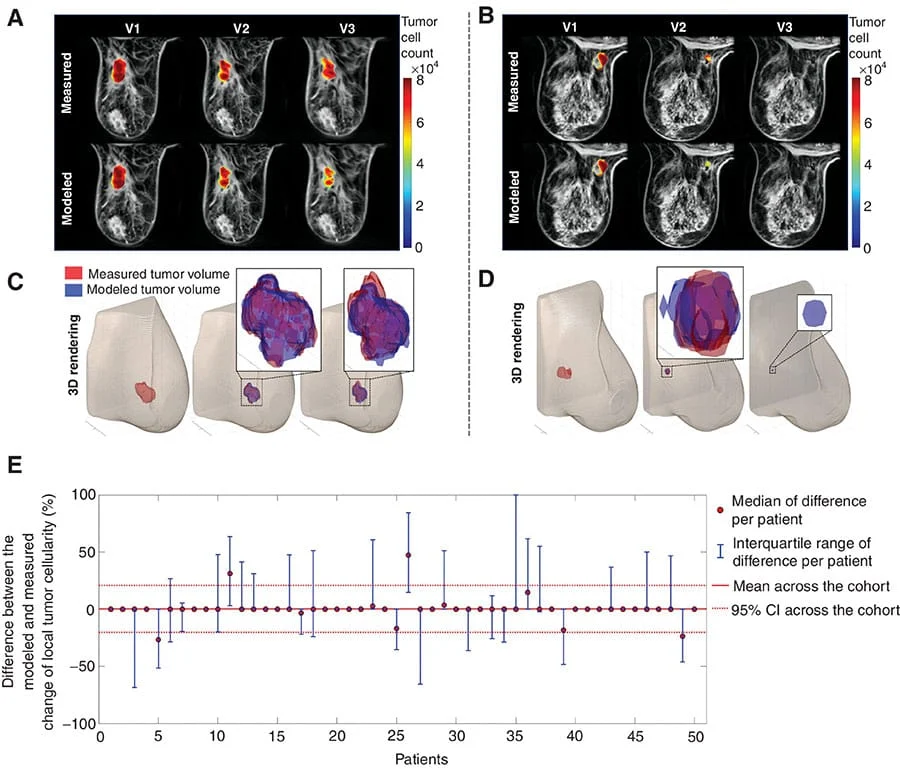
AI Digital Twins Get Better and Better: Cancer in Crosshairs
Doctors and researchers are developing digital twins to help plan treatment for heart disease and possibly cancer care. The collaboration with Oden Institute Professor Tom Yankeelov and Chengyue Wu, PhD, at MD Anderson are looking towards the future of a potential clinical trial for cancer treatment.