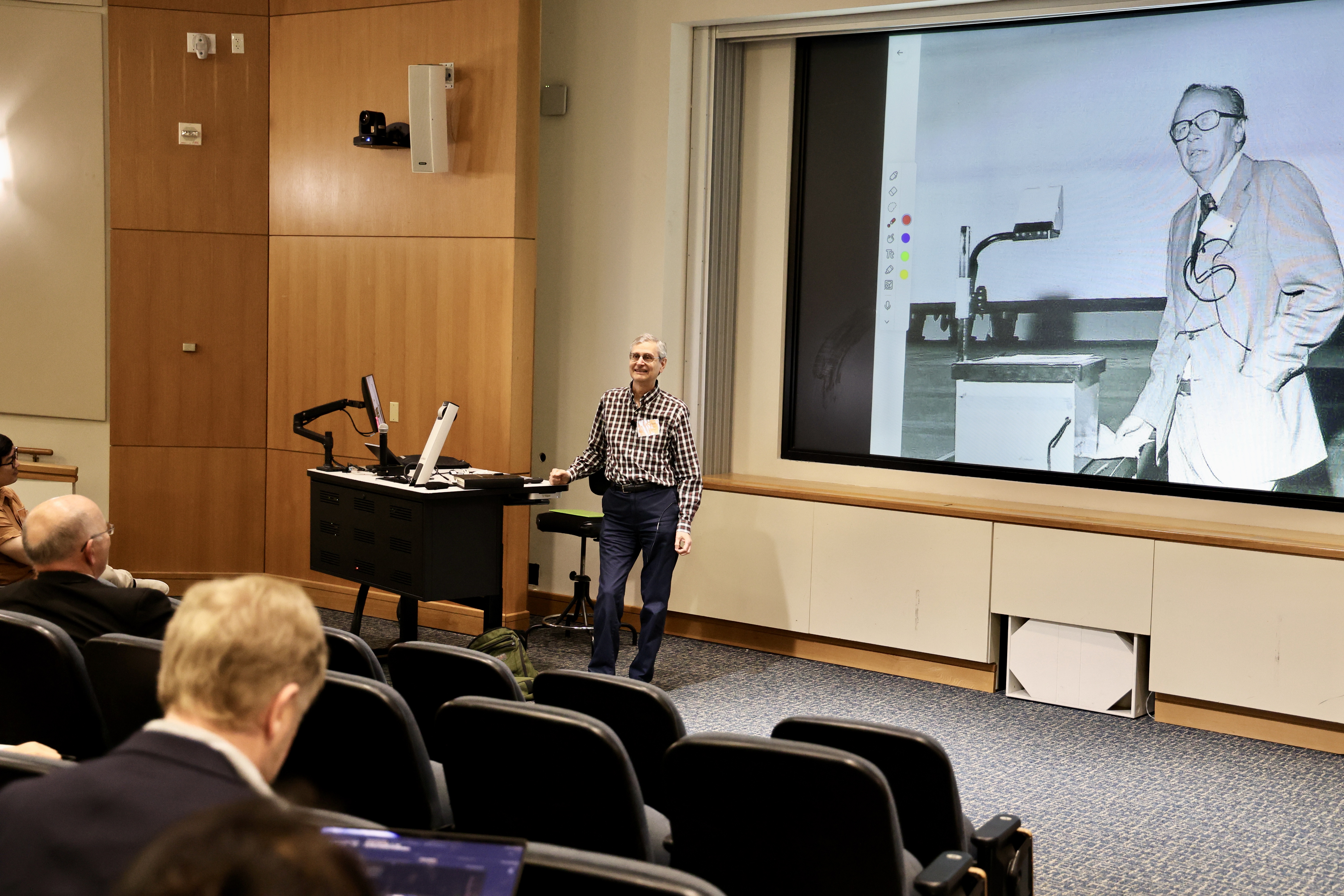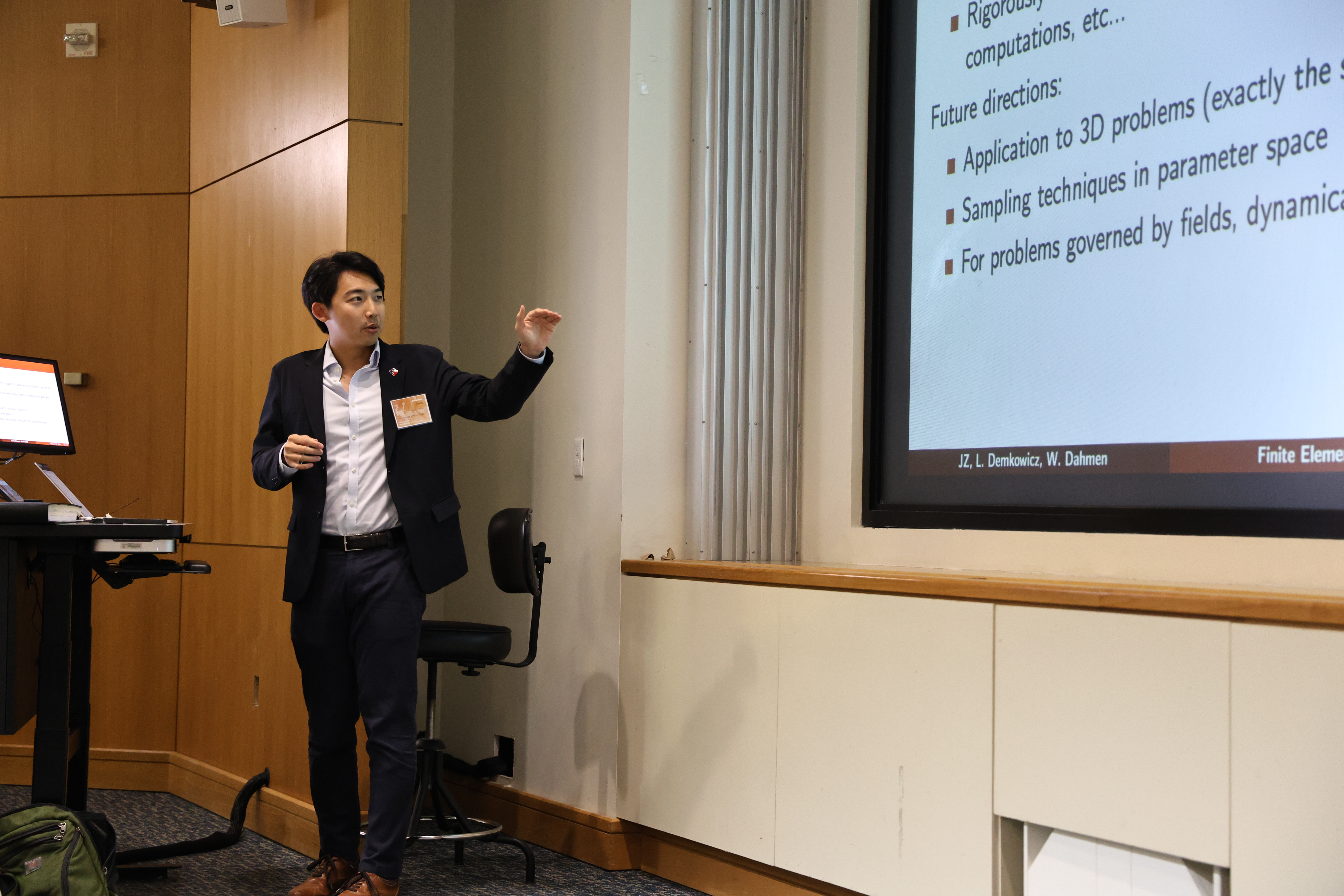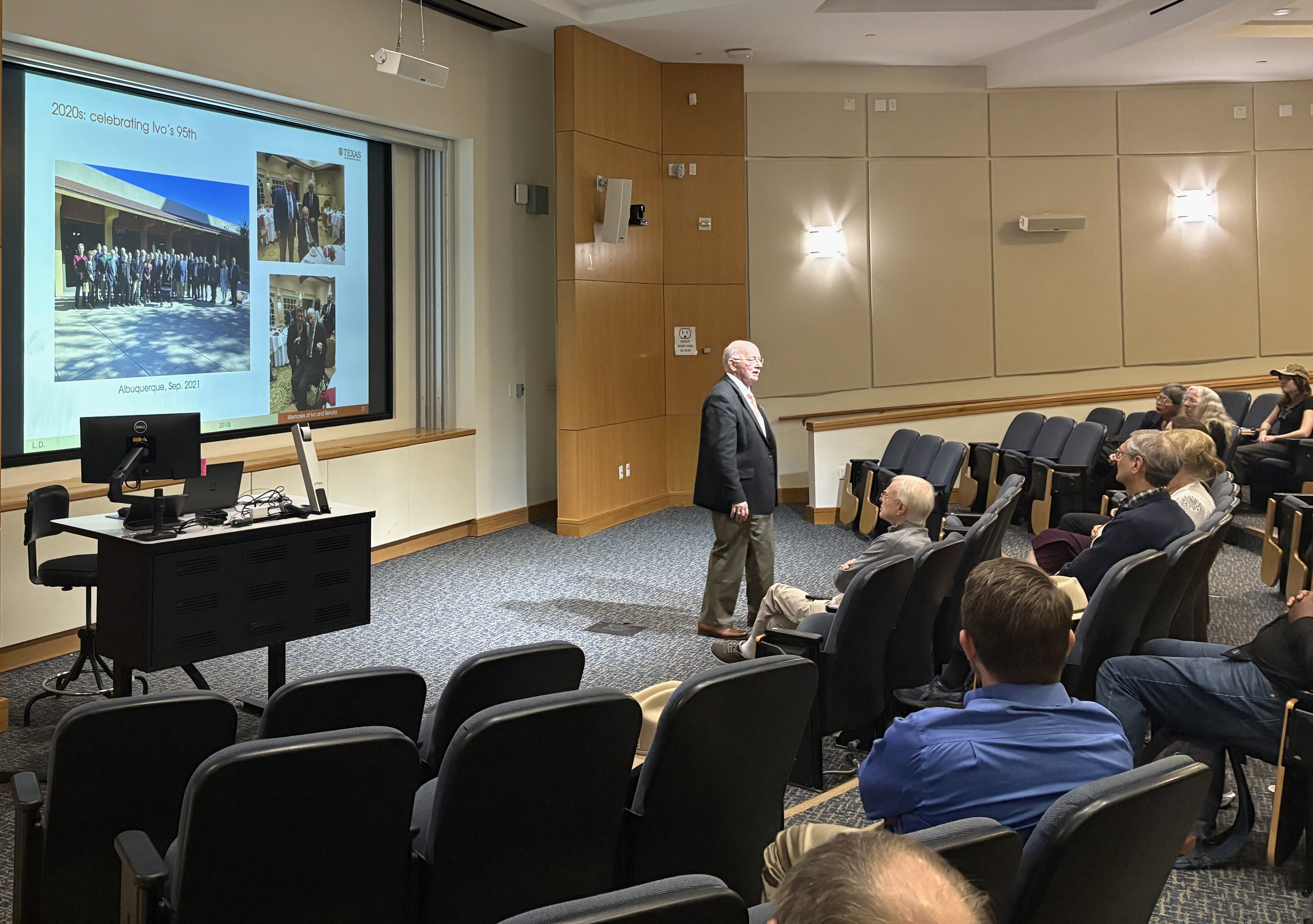
When researchers come together across disciplines and institutions, opportunities for collaboration take shape in the fullest sense. That spirit is at the heart of Finite Element Rodeo, the two-day conference that rode into The University of Texas at Austin February 27–28, bringing together researchers from across Texas and Louisiana.
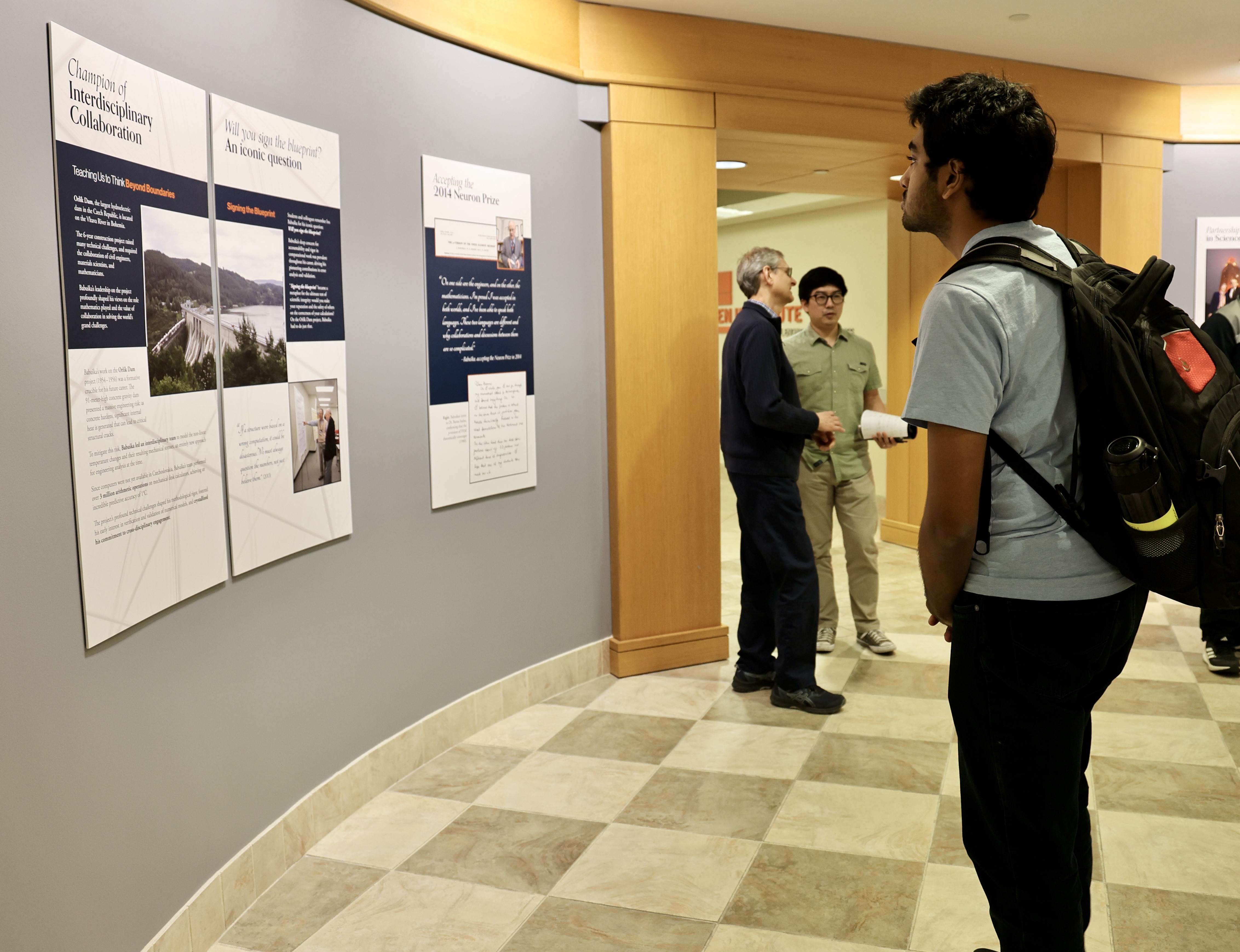
Hosted by the Oden Institute for Computational Engineering and Sciences, the annual gathering continues a long-standing regional tradition centered on finite element methods and their wide-ranging applications. This year’s Rodeo carried special significance honoring the late Ivo Babuška, whose pioneering contributions to finite element methods laid the foundation for much of modern computational science.
The roots of today’s Finite Element Rodeo trace back to the original Finite Element Circus, an idea dreamed up by Babuška and collaborators in 1970 at The University of Maryland, where he held his first US faculty position until 1995. The format would be informal, with timed talks for anyone who wanted to present – no official signup necessary. Following his retirement in Maryland, Babuška joined the Oden Institute faculty at UT later the same year.
Soon after, he sparked up a ‘local’ version of the circus and rebranded it with a distinctly southern twist and the FE Rodeo was born. No matter the name - FE Circus and FE Rodeo - at the core of they maintain the original format and Babuška’s underlying philosophical tenets: that scientific progress thrives in a collaborative environment when folks come together to share ideas and learn from one another.